Recent archaeological evidence suggests that the invention of agriculture was a catastrophe for human health, equality, and freedom — we should never have started farming.
A father and son in Siberia are attempting to restore the mammoth steppe — an ancient grassland ecosystem that once covered the Arctic and could, if revived, slow the thawing of permafrost.
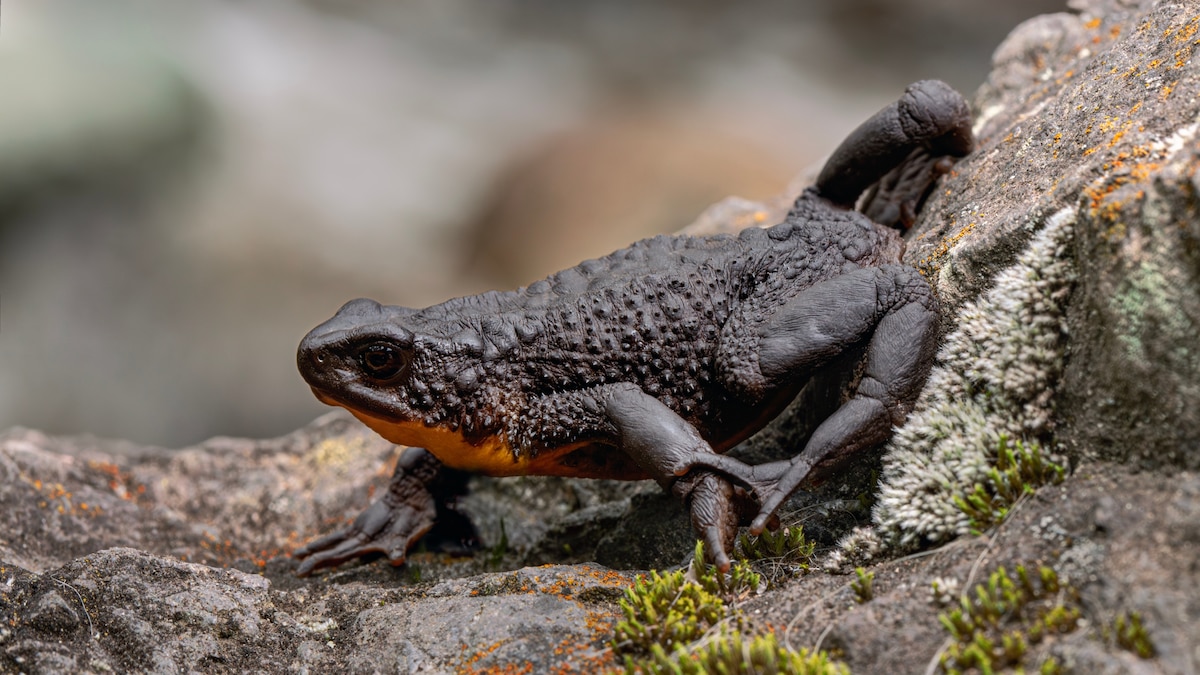
Starting with something simple but beautiful: the return of the common toad each spring. An ode to the pleasure of noticing small things in a world increasingly hostile to doing so.
There’s a place outside Los Angeles where donkeys roam free, stumbling into backyard weddings. The creatures were the cause of headaches, until they became a cause of their own.
From The Edge of the Sea: Carson describes the tidal zone — neither fully land nor water — as a lesson in impermanence, adaptation, and the strange beauty of the threshold.
Eiseley compares himself to the brown wasps that return to a demolished nest — finding in this natural habit an image for the human compulsion to return to places that no longer exist.
Ehrlich arrives in Wyoming to film a documentary, stays to become a rancher, and finds in the spare landscape and spare speech of the West a cure for grief and an education in necessity.
Dillard watches a total solar eclipse from a hilltop in Washington state and discovers in two minutes of totality something that undoes her — and that she can barely bring herself to describe.
A meditation on suicide — why people choose it, what stops them, and what it reveals about the relationship between hope, pain, and the will to continue in a world that offers no guarantees.