ponder
HomeListsBiomimicry

Biomimicry

colin
Curated by colin
Updated Sep 8, 20269 essays
Biomimicry: Learning from Nature’s Blueprint
Biomimicry: Learning from Nature’s Blueprint3.0(1)

Picture a train slicing smoothly through Japan’s countryside, barely disturbing the air around it.

Archive Gallery: The Best of Biomimicry
Archive Gallery: The Best of Biomimicry6.0(1)

Humans might be the most highly-evolved species on the planet, but most animals possess skills we can only dream of having. Imagine how much electricity we could save if we could see in the dark the way cats do. Imagine leaping from tree to tree like a monkey. Giraffes, which are otherwise calm and genteel, sleep only 4.6 hours a day (forget flying, how can I learn to do that?). We realized a long, long time ago--centuries, perhaps even thousands of years before the publication of Popular Scienc

Biomimicry: technology inspired by nature
Biomimicry: technology inspired by nature6.0(1)

Biomimicry in tech and engineering demonstrates how much we have to learn from nature and natural systems.

Biomimicry: Using Nature’s Perfect Innovation Systems To Design The Future
Biomimicry: Using Nature’s Perfect Innovation Systems To Design The Future7.0(1)

Did you know the Mantis Shrimp can hit its prey faster than a bullet hundreds of thousands of times? Biomimicry, the study of natural design is creating innovative solutions to the worlds biggest problems.

The biomimicry innovations inspired by Earth’s colder climes
The biomimicry innovations inspired by Earth’s colder climes8.0(1)

From antifreeze proteins in fish blood to cleaner enzymes in marine microorganisms, Earth’s colder climes are teeming with remarkable innovations that humans are now learning to replicate.

5 Natural Air-Conditioning Designs Inspired by Nature
5 Natural Air-Conditioning Designs Inspired by Nature8.0(1)

Designers are turning to biomimicry to develop better cooling technologies.

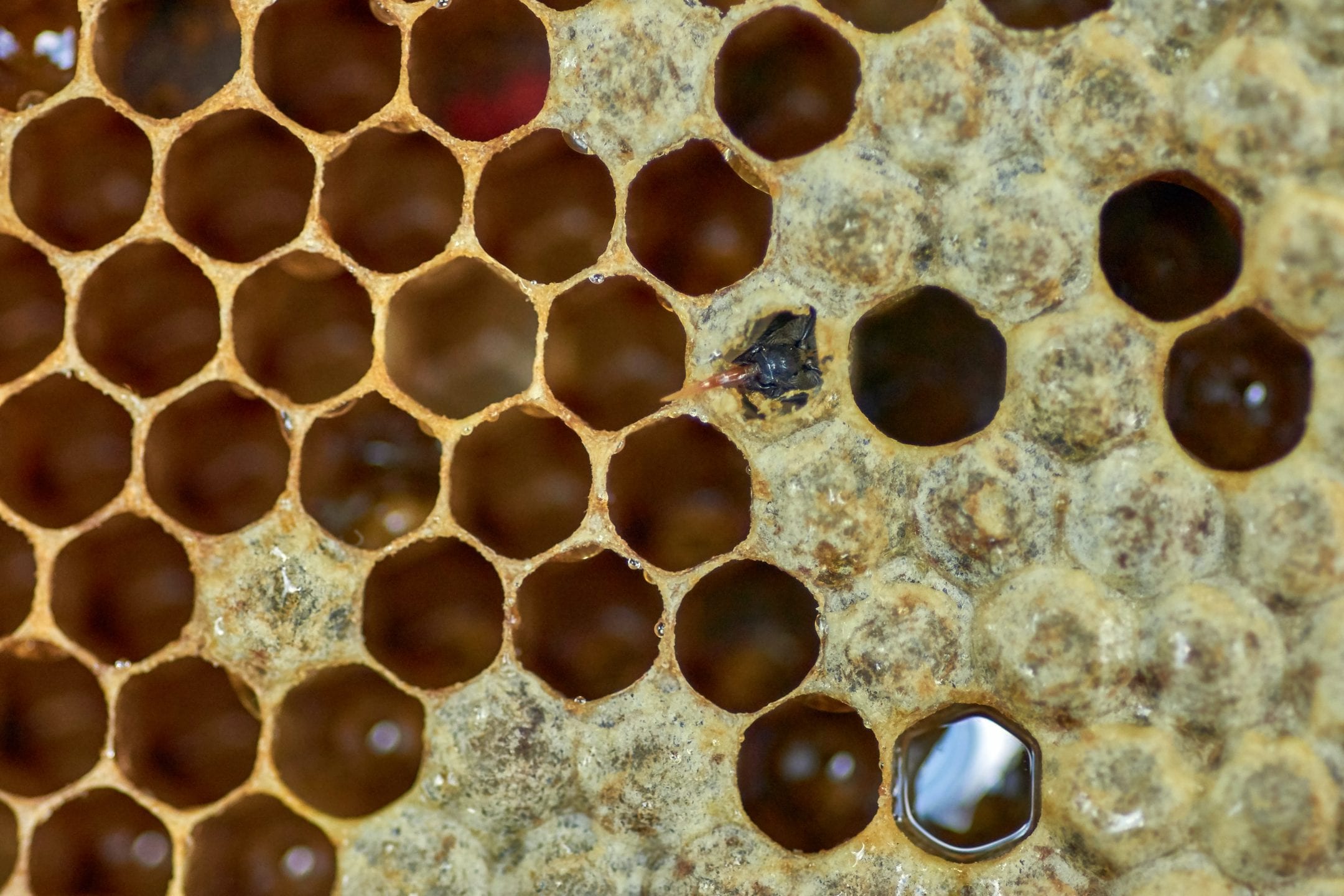
Honeycomb Structure Is Space-Efficient and Strong
Honeycomb Structure Is Space-Efficient and Strong7.0(1)

Bees and wasps build space-efficient and strong nests using hexagonal cells.

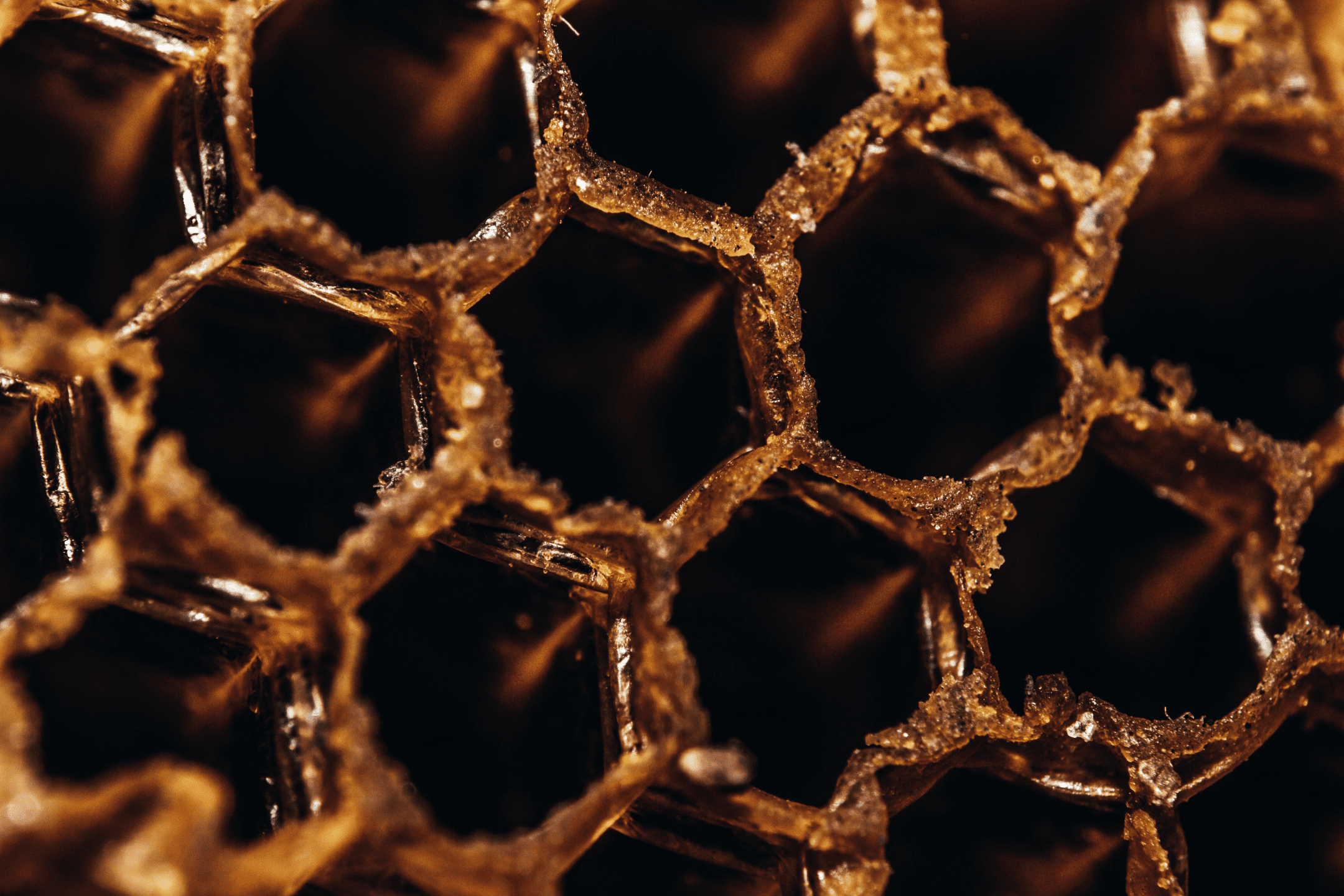
Body Heat Melts Wax to Form Hexagons
Body Heat Melts Wax to Form Hexagons7.5(2)

Honeybees generate heat to mold cylindrical wax cells, then surface tension pulls the cooling wax into hexagons.

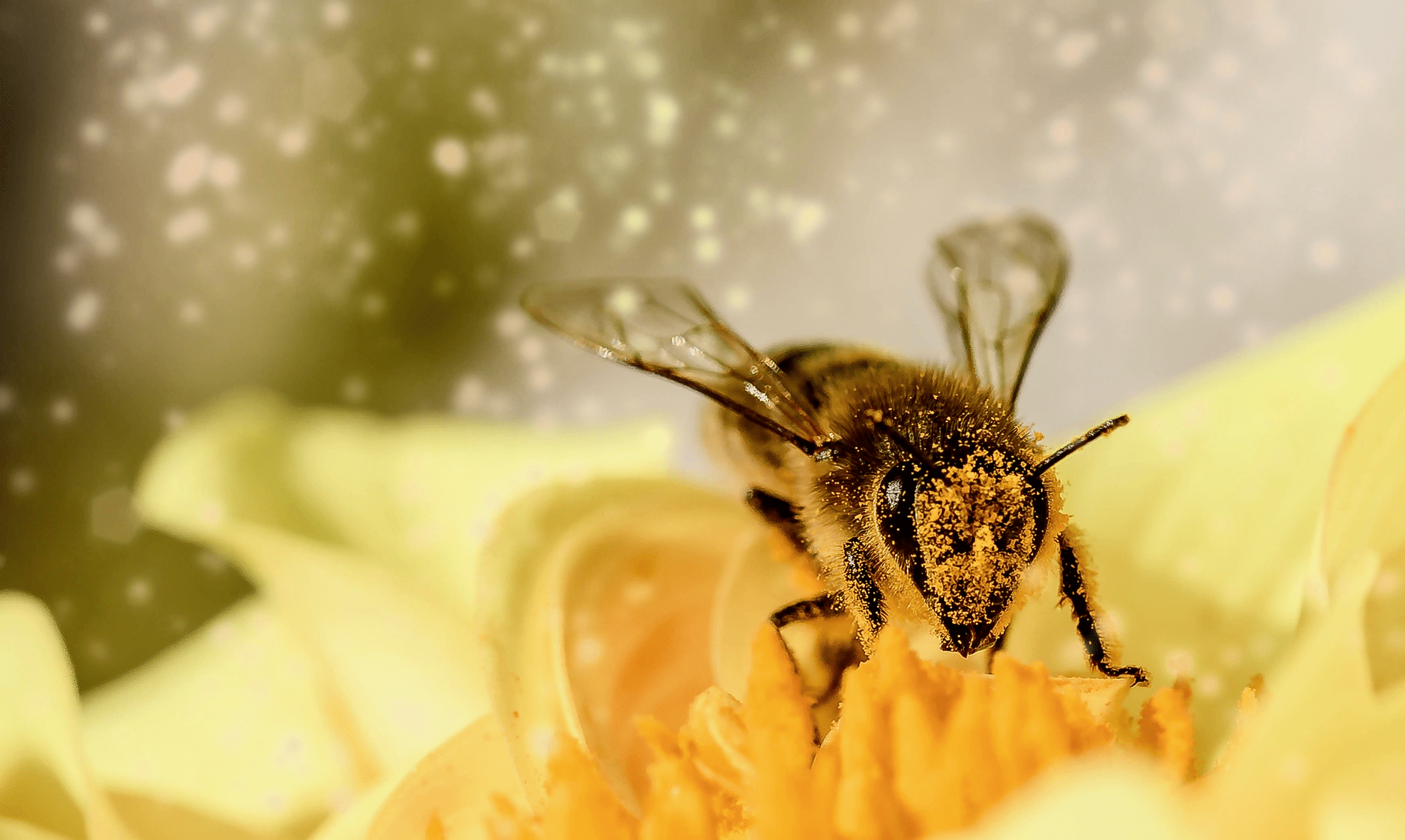
Specialized Hairs Collect Pollen Granules
Specialized Hairs Collect Pollen Granules6.0(1)

The scopa of a bee uses hairs of varying length, shape, and spacing to collect pollen.