A Midwesterner writes about the peculiar stillness of a region that does not get caught up in the excitement of the future — where proximity to family makes it impossible to forget that you will grow old and die.
Perelman's battle with a foolproof set of assembly instructions descends into surreal absurdity — a perfect comedy of the modern relationship between people and their things.
Hughes channels his character Simple to explain bebop: the music is the sound of a Black man who has been hit on the head too many times, and the sound he makes going down.
Writing in the shadow of the atomic bomb, Porter meditates on the strange relationship between technology, catastrophe, and the human capacity — or incapacity — for foresight.
A memoir of reading as a child in Jackson, Mississippi — the hunger for books, the special tyranny of series fiction, and the pure greediness of a certain kind of reader.
Wolfe's account of the world of custom cars and the teenagers who build them — an early exercise in New Journalism that takes the subculture seriously as art and social statement.
Sontag's fifty-eight-note attempt to define Camp — an aesthetic sensibility that loves artifice, exaggeration, and theatricality, and in doing so reclaims a queer counter-tradition in modern culture.
Nabokov's crystalline recreation of a Russian childhood — the precise rendering of memory's textures and colors, and the impossibility of recovering what has been perfectly loved.
Momaday retraces the Kiowa people's journey from the Montana headwaters to the Oklahoma plains — an interweaving of personal memory, tribal history, and the sacred geography of the American Southwest.
Thomas finds in the biological world a model of symbiosis, interdependence, and collective intelligence — and asks what it means that we, like cells, are part of something much larger than ourselves.
Gass's meditation on the nature of failure — literary, personal, historical — argues that sinking is not the opposite of achievement but its necessary companion and condition.
Kingston reconstructs the story of her aunt, who drowned herself in the family well after giving birth to an illegitimate child — meditating on female transgression, family silence, and the cost of forgetting.
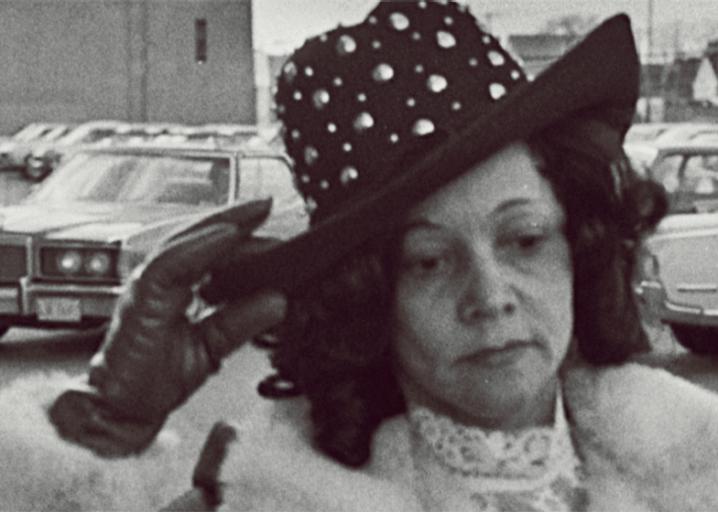
Walker's account of her pilgrimage to find the unmarked grave of Zora Neale Hurston — an act of literary resurrection that asks who gets remembered and who gets buried.
Rich's meditation on the relationship between women and lying — not as moral failing but as learned survival — and what genuine honesty between women might require and make possible.
We tell ourselves stories in order to live. Didion's fractured account of the late 1960s — the Manson trial, rock bands, personal breakdown — as a portrait of a narrative that refused to cohere.
Rodriguez recounts the experience of learning English as the child of Spanish-speaking immigrants — the intimacy lost when Spanish receded to the home and English became the language of public life.
A meditation on the Bronx drugstore of Ozick's childhood as the site of her education as a writer — and on the connection between the smell of ink and the desire to make something endure.
Gould examines the myth that Abner Doubleday invented baseball in Cooperstown in 1839 — using it as a case study in why nations need origin myths, and why the truth is always messier and more interesting.
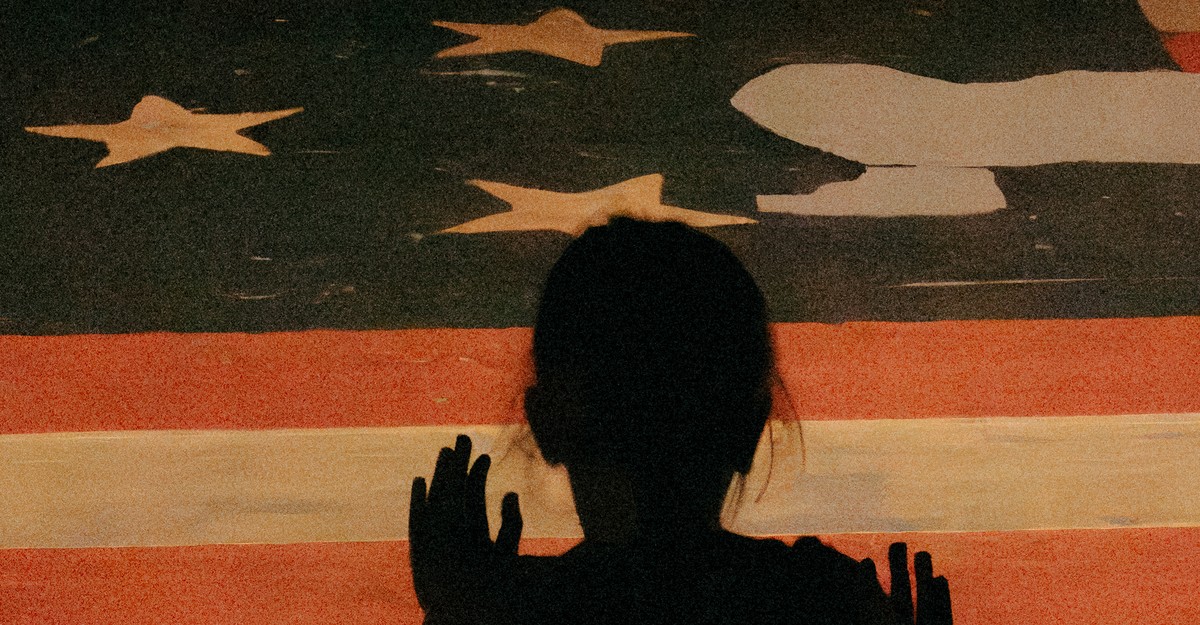
Life with Daughters: Watching the Miss America Pageant
Already have an account? Log in Join KR for even more to read. Sign up for a free account and read any five pieces a month. Sign Up and Read […]
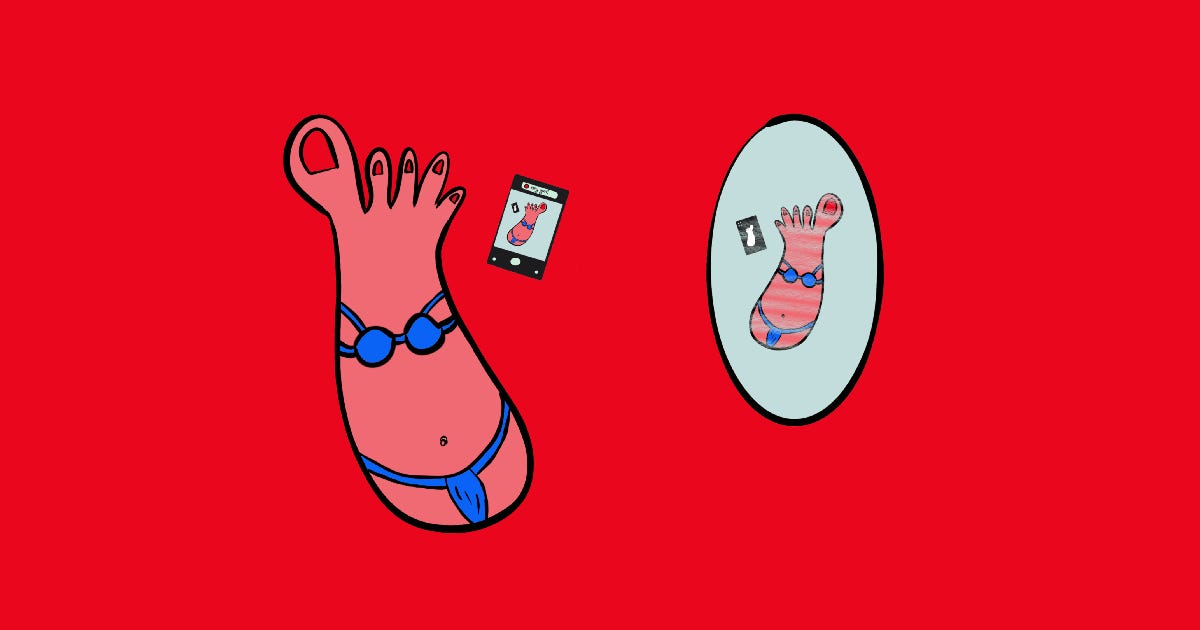
Updike's meditation on inhabiting a male body — the particular experiences of physicality, sexuality, and mortality that mark the male life from youth to old age.