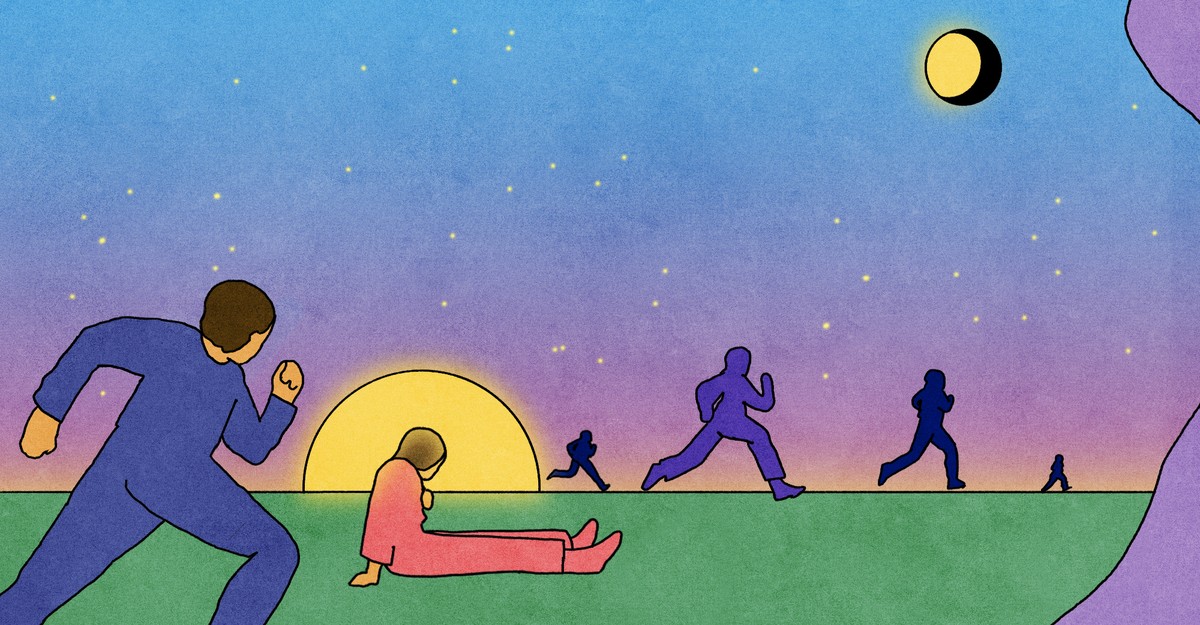
The Cystic-Fibrosis Breakthrough That Changed Everything
Sarah Zhang · The Atlantic
0.0
Breast-Feeding the Microbiome
Ed Yong · The New Yorker
Books by Ed Yong
Enjoyed their writing? Take home one of their books.
★ 4.1 · 12 ratings on Open LibraryMicroorganisms2018368 pages
Joining the ranks of popular science classics like The Botany of Desire and The Selfish Gene, a groundbreaking, wondrously informative, and vastly entertaining examination of the most significant revolution in biology since Darwin, a “microbe’s-eye view” of the world that reveals a marvelous, radically reconceived picture of life on earth. Every animal, whether human, squid, or wasp, is home to millions of bacteria and other microbes. Ed Yong, whose humor is as evident as his erudition, prompts us to look at ourselves and our animal companions in a new light, less as individuals and more as the interconnected, interdependent multitudes we assuredly are. The microbes in our bodies are part of our immune systems and protect us from disease. In the deep oceans, mysterious creatures without mouths or guts depend on microbes for all their energy. Bacteria provide squid with invisibility cloaks, help beetles to bring down forests, and allow worms to cause diseases that afflict millions of people. Many people think of microbes as germs to be eradicated, but those that live with us, the microbiome, build our bodies, protect our health, shape our identities, and grant us incredible abilities. In this astonishing book, Ed Yong takes us on a grand tour through our microbial partners, and introduces us to the scientists on the front lines of discovery. It will change both our view of nature and our sense of where we belong in it.
As a Bookshop affiliate, ponder earns from qualifying purchases.
Book spotlight
The Gene
Siddhartha Mukherjee
24 ratings on Open Library
The Gene: An Intimate History is a book written by Siddhartha Mukherjee, an Indian-born American physician and oncologist. It was published on 17 May 2016 by Scribner. The book chronicles the history of the gene and genetic research, all the way from Aristotle to Crick, Watson and Franklin and then the 21st century scientists who mapped the human genome. The book discusses the power of genetics in determining people's well-being and traits. It delves into the personal genetic history of Siddhartha Mukherjee's family, including mental illness. However, it is also a cautionary message toward not letting genetic predispositions define a person or their fate, a mentality that the author says led to the rise of eugenics in history.